

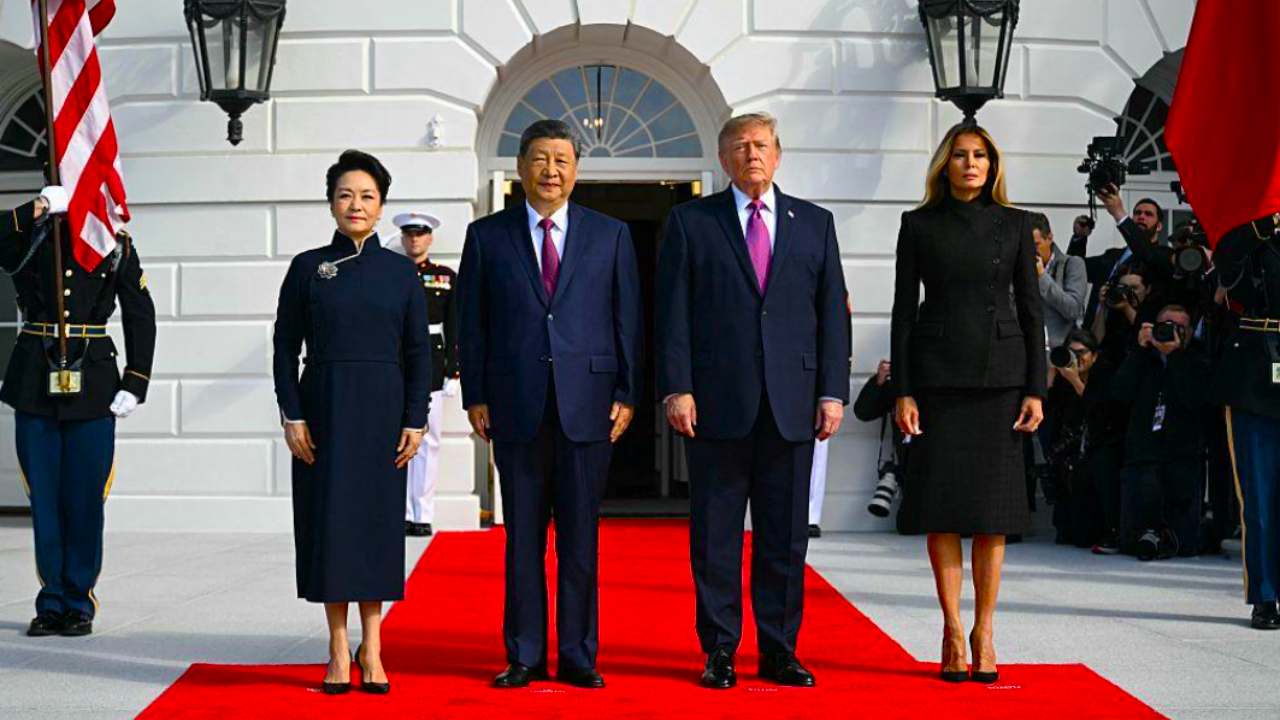
Trump, Xi Jinping, and the Thucydides Trap: Is China Sending Washington a Strategic Warning?
When Chinese President Xi Jinping met with Donald Trump in 2026, his diplomatic message went beyond the usual expressions of cooperation, mutual respect, and peaceful coexistence. By invoking the Thucydides Trap, Xi introduced a historical warning about the dangers that arise when an emerging power challenges an established one. But was this simply an appeal for stability, or was Beijing also signaling that Washington must begin accepting China’s growing influence in the international order?
The concept, popularized by Harvard professor Graham Allison, draws on the rivalry between Athens and Sparta that preceded the Peloponnesian War. Its relevance today lies in the increasingly complex relationship between the United States and China, where economic competition, military capabilities, technological leadership, and disputes over Taiwan continue to test the limits of diplomatic engagement.
In this analysis, “Trump, Xi, and the Thucydides Message,” we examine the strategic meaning behind Xi’s remarks, the historical lessons of great-power competition, and the possibility that China’s diplomatic language reflects a broader effort to redefine its relationship with the United States. The paper also considers the peaceful adjustment of power between Great Britain and the United States as a historical comparison, while recognizing the important differences between that transition and today’s geopolitical environment.
From a strategic intelligence and global risk management perspective, the central concern is not whether conflict between Washington and Beijing is inevitable. It is how political miscalculations, military tensions, economic restrictions, and competing perceptions of national security could gradually turn strategic rivalry into a more serious confrontation. These developments have implications for governments, multinational corporations, global supply chains, and organizations exposed to geopolitical uncertainty.
The question is whether the United States and China can manage their competition without allowing the pursuit of influence, security, and international recognition to produce the very conflict both governments claim they want to avoid.
We invite you to read our analysis and explore the strategic considerations behind one of the most consequential bilateral relationships in international affairs.
 Previous Post
 Next Post
