

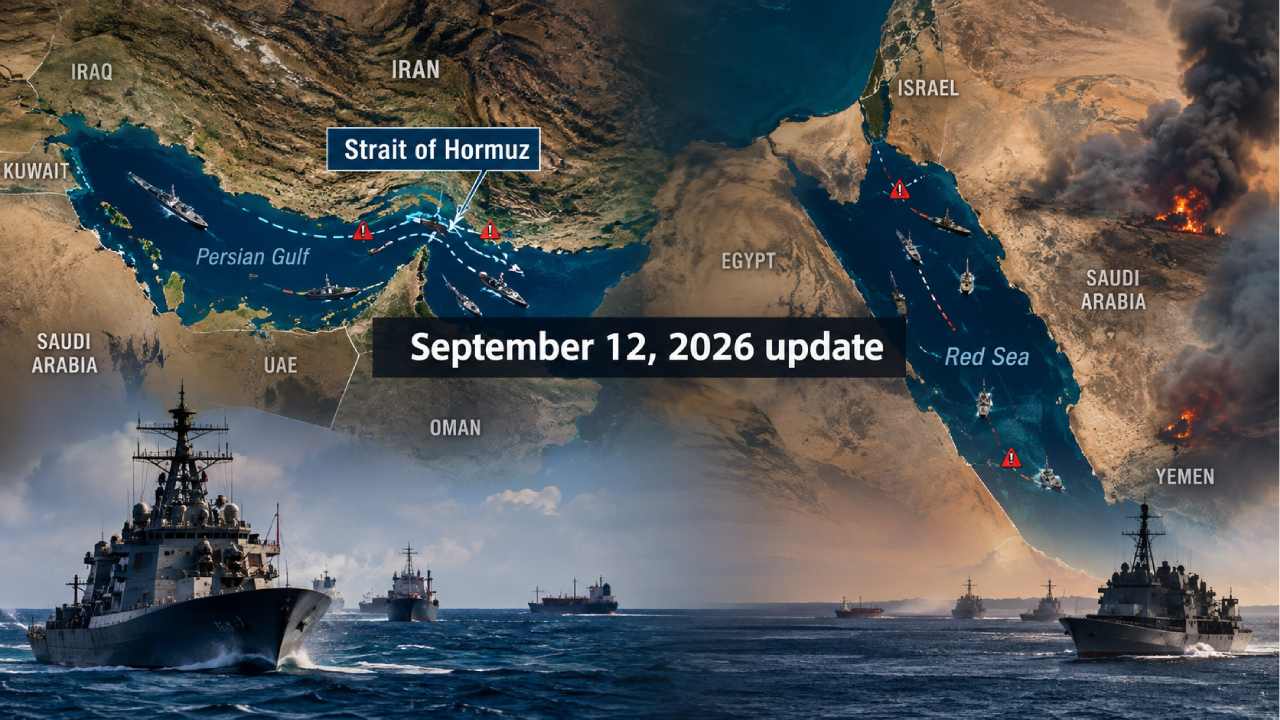
September 12, 2006 Update
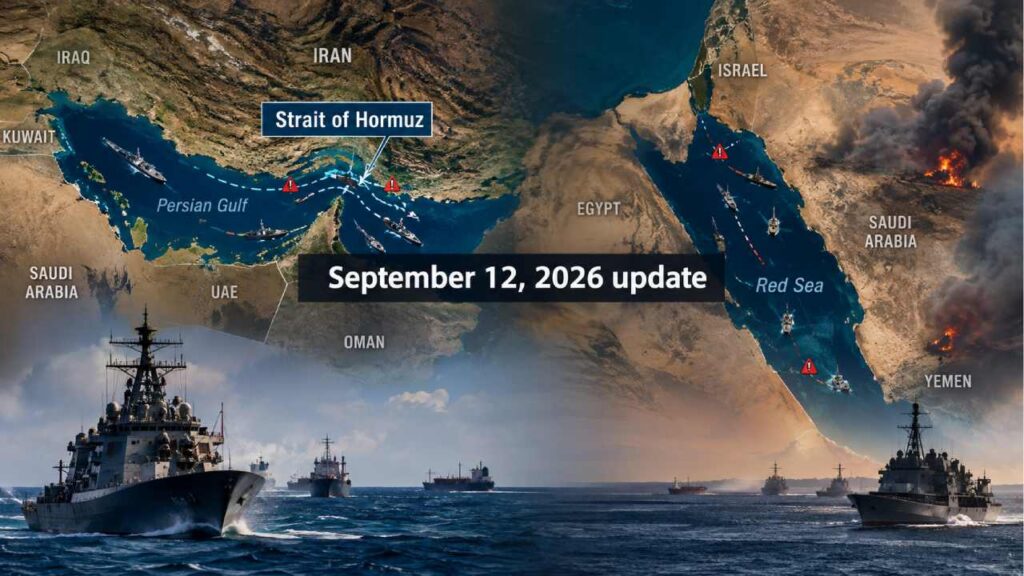
This Intelligence Briefing provides a comprehensive update on the crisis, examining not only its geopolitical and security dimensions but also its potentially significant economic implications.
Based on our assessment, Iran is likely to sustain this crisis as part of a broader asymmetric pressure strategy. Tehran recognizes that it would face significant disadvantages in a conventional, symmetrical confrontation against superior military powers. Consequently, it is more likely to rely on asymmetric capabilities—including maritime disruption, proxy activity, strategic signaling, and pressure on critical economic infrastructure and international shipping routes—to increase the political, economic, and operational costs for its adversaries.
The crisis must also be viewed within the context of domestic political considerations in the United States. Tehran is likely to closely monitor and exploit perceived political constraints and decision-making pressures affecting the U.S. administration. Iran’s strategic objective may therefore be not necessarily to achieve a decisive military victory, but to create sufficient economic disruption, political pressure, and strategic uncertainty to influence the calculations of its adversaries.
In this context, the Strait of Hormuz and the Red Sea represent critical pressure points. Any sustained disruption to these maritime corridors could generate consequences far beyond the immediate military confrontation, affecting global energy markets, international trade, supply chains, insurance costs, and broader economic stability.
Our assessment is that this crisis should not be viewed solely through the lens of a potential conventional military confrontation. Rather, it represents a broader contest of asymmetric pressure, economic leverage, strategic endurance, and political will.
 Previous Post
 Next Post
