

A strategic risk and resilience analysis
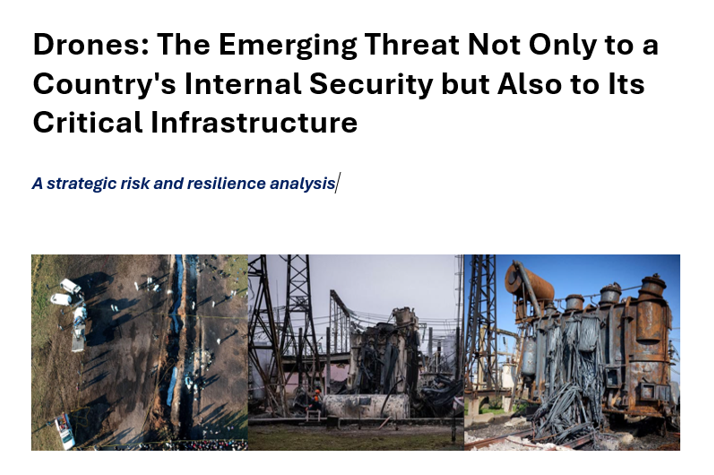
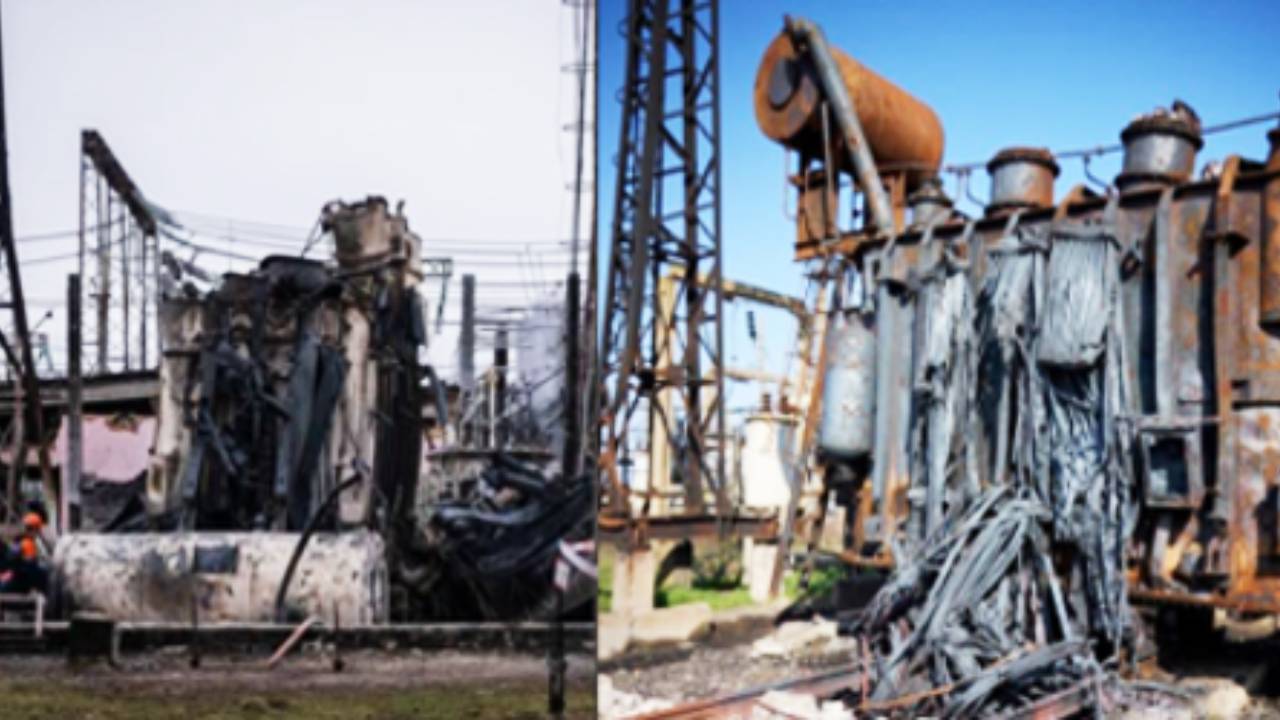
Drones have evolved from specialized military systems into widely accessible platforms that pose a growing threat to internal security and critical infrastructure. Their low cost, availability, precision, and ability to bypass traditional ground-based security allow state actors, terrorist groups, organized crime, and individuals to conduct surveillance, disruption, smuggling, sabotage, and targeted attacks.
Critical infrastructure is particularly vulnerable because a single drone can target exposed components or critical nodes whose failure may disrupt entire systems and create cascading effects. Recent conflicts also demonstrate that drones are rapidly adapting to countermeasures, including through autonomous navigation and fiber-optic control.
The paper concludes that no single counter-drone technology provides sufficient protection. Effective defense requires a layered, risk-based approach combining intelligence, multisensor detection, physical hardening, operational response, legal coordination, redundancy, and rapid recovery. Protective cages, netting, jamming, and interception systems can reduce specific risks, but each represents only one layer of the overall defense.
 Previous Post
 Next Post
